
Coming Out Later in Life: “How Did I Not Know?”
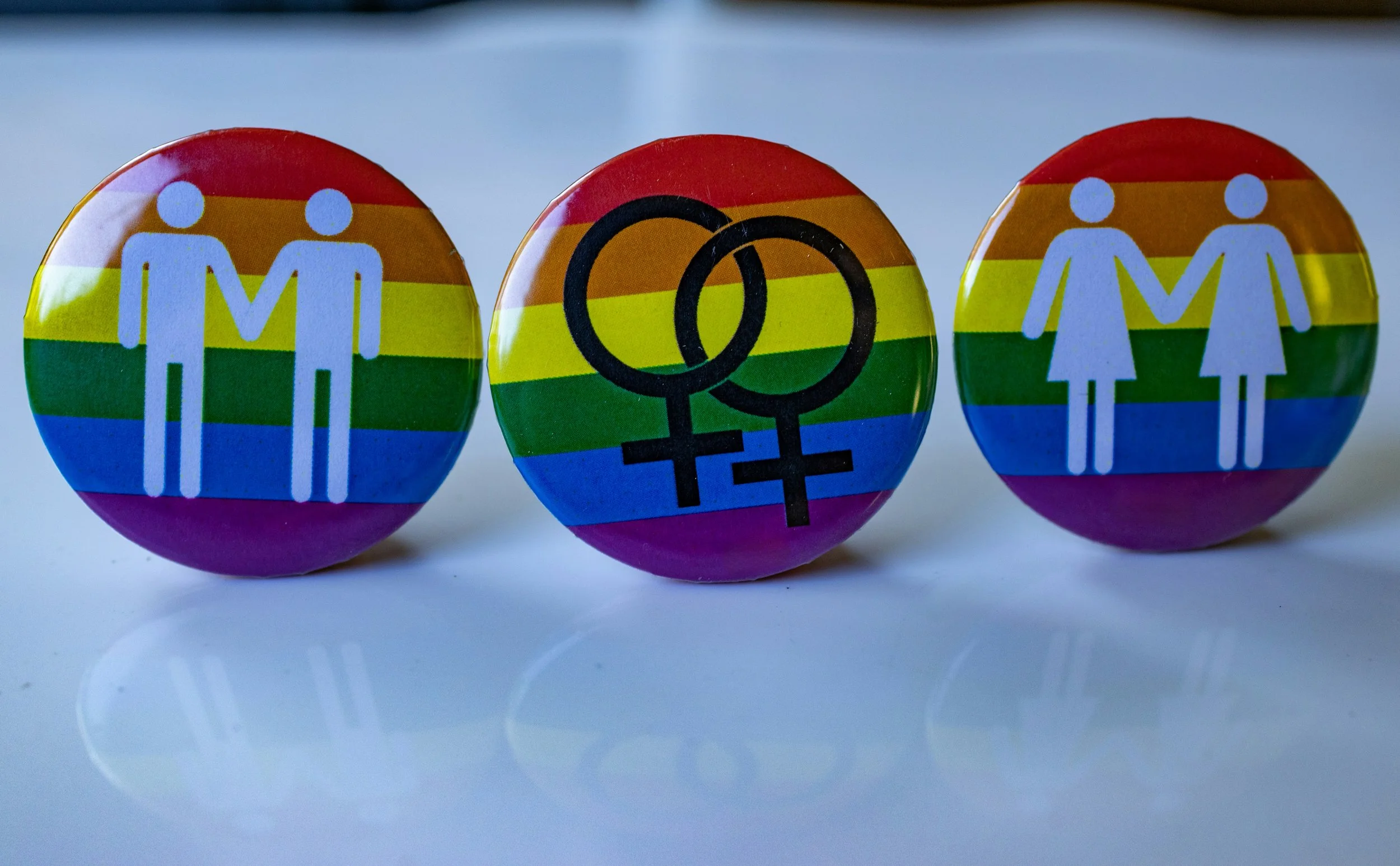
Photo by Marek Studzinski on Unsplash
If you are coming out later in life, questioning your sexuality, or wondering if you might be queer in your 30s, 40s, 50s, or beyond, I want to start with this:
You are not behind.
You are not broken.
And no, you did not “miss it.”
One of the most common things I hear from clients questioning their sexuality later in life is:
“How did I not know?”
Usually followed by:
“Did I ruin my life?”
Or:
“What if I blow everything up?”
Or the classic 2 a.m. Google spiral:
“Am I actually gay, or am I making this up?”
If this sounds familiar, you are far from alone.
Many people begin exploring their sexuality later in life—sometimes after marriage, kids, religion, or years of trying to make a life fit that looked good on paper but never felt fully right.
It is often way messier than social media makes it look.
Why People Come Out Later in Life
I think we give ourselves way too much credit for how much freedom we actually had growing up.
Many people coming out later in life grew up in families, religions, communities, or relationships where being queer did not feel safe, possible, visible, or even like an option.
You were not choosing between “straight” and “gay.”
For a lot of people, it felt like there was only one path.
Date men. Get married. Have kids. Be grateful. Make it work.
And sometimes? You genuinely loved parts of that life.
This is where things get complicated.
Because people often assume that if you are coming out later in life, your whole previous life must have been fake.
Usually, it is not that simple.
You can love someone and still realize they were not the right fit.
You can have wanted the life you built and still outgrow it.
You can love your kids, love your family, and still realize something important about yourself.
Two things can be true.
Honestly, a lot of therapy is helping people hold two true things at once.
For many late bloomer lesbians and queer adults, this is the hardest part... accepting that your past mattered and your truth matters too.
Questioning Your Sexuality Later in Life: “What If I’m Wrong?”
This one gets almost everyone.
Especially if you are anxious, a people pleaser, have religious trauma, or are someone who likes certainty (which, respectfully, good luck).
Questions like:
What if I leave and regret it?
What if I am actually straight?
What if I am bi?
What if I am making this up?
What if I just have not met the right person?
What if I am too old to start over?
If you are questioning your sexuality later in life, please hear this:
You do not have to have your whole identity figured out tomorrow.
You do not have to immediately label yourself.
You do not have to burn your life down overnight.
You are allowed to question.
You are allowed to explore.
You are allowed to be confused.
You are allowed to take your time.
There is no queer timeline you failed.
Why Coming Out Later in Life Can Feel So Emotional
I think this is the part people are least prepared for.
Coming out later in life can feel freeing.
And exciting.
And relieving.
And heartbreaking.
All at the same time.
Sometimes people grieve time.
Sometimes they grieve relationships.
Sometimes they grieve the version of themselves who worked so hard to survive.
Sometimes they grieve the years spent trying to force something to fit.
And then there is guilt.
Guilt around partners.
Guilt around kids.
Guilt around changing things.
Guilt around not figuring it out sooner.
I want to say this gently:
You cannot know what you were never given permission to explore.
A lot of people did not have the safety, language, representation, or nervous system capacity to even ask themselves the question.
You figured it out when you could.
Coming Out Later in Life With Kids
This is often one of the biggest fears.
“Am I ruining my children?”
Most of the time, what kids need most is honesty, emotional safety, and caregivers who are trying their best.
Will it be an adjustment? Sometimes.
Can there be hard feelings? Absolutely.
Can kids also be wildly resilient when supported? Also yes.
You are not automatically harming your children because your life changed.
Kids benefit from seeing adults live authentically, repair when needed, and build healthy relationships.
A Small Reminder If You Are a Late Bloomer Lesbian or Queer Adult
If nobody has told you this yet:
You are not “less queer” because you figured it out later.
You are not late.
You are not dramatic.
You are not selfish.
You are not failing.
You are becoming more honest with yourself.
And honestly? That takes a ridiculous amount of courage.
Therapy for Coming Out Later in Life
If you are navigating coming out later in life, questioning your sexuality, exploring whether you might be a late bloomer lesbian, dealing with religious trauma, navigating divorce or co-parenting, or simply trying to understand yourself better—therapy can help.
At Valid Love, we support LGBTQIA+ adults navigating identity, relationships, sexuality, and life transitions with curiosity, compassion, and zero pressure to have it all figured out.
You do not need to have the answer before asking the question.
Frequently Asked Questions About Coming Out Later in Life
Is it normal to come out later in life?
Yes. Many people begin questioning or understanding their sexuality in adulthood. This is especially common for people who grew up in religious, conservative, or heteronormative environments where queerness was not visible or safe.
How do I know if I am a late bloomer lesbian?
There is no one answer, but many late bloomer lesbians describe feeling disconnected in past relationships, confusing admiration for attraction, feeling different but not understanding why, or realizing attraction to women later in life. Therapy can help you explore these questions without pressure.
Can I come out if I am married with kids?
You can. And it is also okay to move slowly. Many people coming out later in life are navigating marriages, parenting, finances, and complicated emotions. There is no “right” timeline.
Is therapy helpful when questioning sexuality?
Absolutely. Therapy can provide space to explore identity, grief, fear, relationships, shame, religious trauma, and uncertainty without judgment or pressure.