
Hormones and ADHD: Why Your Symptoms May Change Over Time
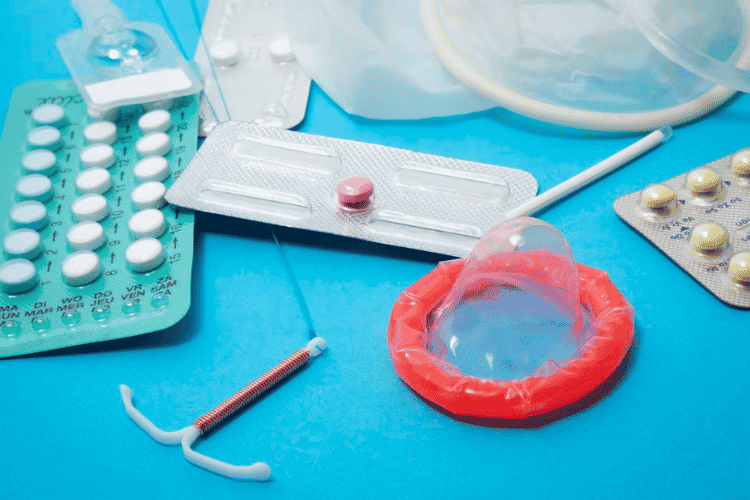
Photo by Reproductive Health Supplies Coalition on Unsplash
Have you ever had a week where your ADHD feels manageable, only to find yourself completely overwhelmed the next?
Maybe you're forgetting appointments, struggling to start tasks, losing track of conversations, or feeling emotionally exhausted. You wonder what changed because last week everything felt easier.
If this sounds familiar, you're not imagining it.
Hormones can play a significant role in how ADHD shows up in daily life. While ADHD itself doesn't come and go, changes in hormone levels can influence attention, emotional regulation, motivation, memory, and executive functioning.
For many people, understanding the relationship between hormones and ADHD can be the missing piece that finally helps things make sense.
The Connection Between Hormones and ADHD
ADHD is closely connected to neurotransmitters like dopamine and norepinephrine, which help regulate attention, motivation, memory, and emotional processing.
Hormones, particularly estrogen, progesterone, and testosterone, can influence these systems.
When hormone levels shift, ADHD symptoms may become more noticeable or more difficult to manage.
This doesn't mean your ADHD is getting worse. It means your brain is responding to changes happening throughout your body.
Why ADHD Symptoms Sometimes Feel Inconsistent
Photo by Atari Betamax on Unsplash
Many people with ADHD struggle with the idea that they can perform well one week and feel completely overwhelmed the next.
You might find yourself thinking:
Why can I focus sometimes but not others?
Why does my medication seem less effective some days?
Why am I suddenly so emotional?
Why do routines fall apart even when I'm trying?
The answer is often more complex than motivation or willpower.
Sleep, stress, sensory demands, life circumstances, and hormone levels can all influence how ADHD symptoms show up from day to day.
ADHD and the Menstrual Cycle
Many people notice predictable changes in their ADHD symptoms throughout their menstrual cycle.
As estrogen levels rise and fall, attention, emotional regulation, and executive functioning may change as well.
Common experiences include:
Increased forgetfulness before a period
Difficulty focusing
More emotional sensitivity
Increased irritability
Greater executive functioning challenges
Feeling overwhelmed by everyday tasks
For some people, these changes are mild. For others, they can significantly affect work, relationships, and daily functioning.
ADHD and PMDD
Premenstrual Dysphoric Disorder (PMDD) is a condition that causes severe emotional and physical symptoms before menstruation.
Many people with ADHD also experience PMDD.
When ADHD and PMDD occur together, symptoms can feel amplified. Emotional regulation may become more difficult, rejection sensitivity can increase, and executive functioning may feel nearly impossible during certain parts of the month.
Many individuals spend years believing they are failing to manage their ADHD when they are actually experiencing the combined effects of ADHD and hormonal changes.
ADHD During Pregnancy and Postpartum
Pregnancy and postpartum experiences can also affect ADHD symptoms.
Some people notice improvements in focus during pregnancy, while others experience increased overwhelm, forgetfulness, or emotional challenges.
After childbirth, sleep deprivation, shifting hormone levels, increased responsibilities, and changes in routine can significantly impact executive functioning.
Many new parents find themselves questioning whether their ADHD has become worse when, in reality, they are navigating an enormous neurological, emotional, and physical transition.
ADHD, Perimenopause, and Menopause
For many women, ADHD symptoms become more noticeable during perimenopause and menopause.
Declining and fluctuating estrogen levels may contribute to:
Brain fog
Increased forgetfulness
Difficulty concentrating
Emotional regulation challenges
Reduced effectiveness of previously successful coping skills
Increased anxiety
Some women discover they have ADHD for the first time during perimenopause because symptoms that were previously manageable suddenly become much more disruptive.
ADHD and Gender-Affirming Hormone Therapy (HRT)
Hormones don't only affect cisgender people.
Many transgender and nonbinary individuals report noticing changes in focus, emotional regulation, executive functioning, or energy levels during gender-affirming hormone therapy.
Some people find that hormone therapy improves overall wellbeing and reduces distress, making it easier to access coping skills and manage daily responsibilities. Others may notice shifts in attention, motivation, or emotional experiences as their bodies adjust to changing hormone levels.
Research on ADHD and gender-affirming hormone therapy is still growing, and experiences vary widely from person to person.
What we do know is that hormones influence brain function. Whether hormonal changes occur through puberty, menstruation, menopause, medical treatment, or gender-affirming care, those changes may affect how ADHD symptoms are experienced.
You're Not Lazy. You're Not Failing.
One of the most damaging messages people with ADHD receive is that they simply need more discipline or better habits.
When symptoms fluctuate, it's easy to blame yourself.
But understanding the role hormones play can help replace shame with curiosity.
Instead of asking, "What's wrong with me?" you can begin asking, "What factors might be affecting my brain right now?"
That shift can be incredibly powerful.
How Therapy Can Help
Therapy can help you understand your unique patterns, identify triggers, and build systems that work with your brain instead of against it.
At Valid Love Therapy Collective, we help clients:
Better understand ADHD
Explore the relationship between hormones and symptoms
Improve executive functioning skills
Reduce shame and self-criticism
Navigate PMDD and emotional regulation challenges
Develop realistic routines and accommodations
Build self-compassion and self-understanding
For clients interested in exploring whether ADHD may be part of the picture, we also partner with MJH Behavioral Health to provide QbCheck testing and medication evaluations in the same location as therapy services.
You Deserve Answers
If your ADHD symptoms seem to change over time, you're not imagining it.
Hormones can influence how ADHD is experienced, and understanding that connection can help you make sense of patterns that once felt confusing.
Whether you're navigating menstrual cycles, PMDD, pregnancy, menopause, gender-affirming hormone therapy, or simply trying to better understand your brain, support is available.
You don't have to figure it out alone.
If you're looking for ADHD therapy in North Carolina, contact Valid Love Therapy Collective to learn more about our neurodiversity affirming approach to care.