
When Easter Hurts: Understanding Religious Trauma and Finding Your Way Back to Yourself
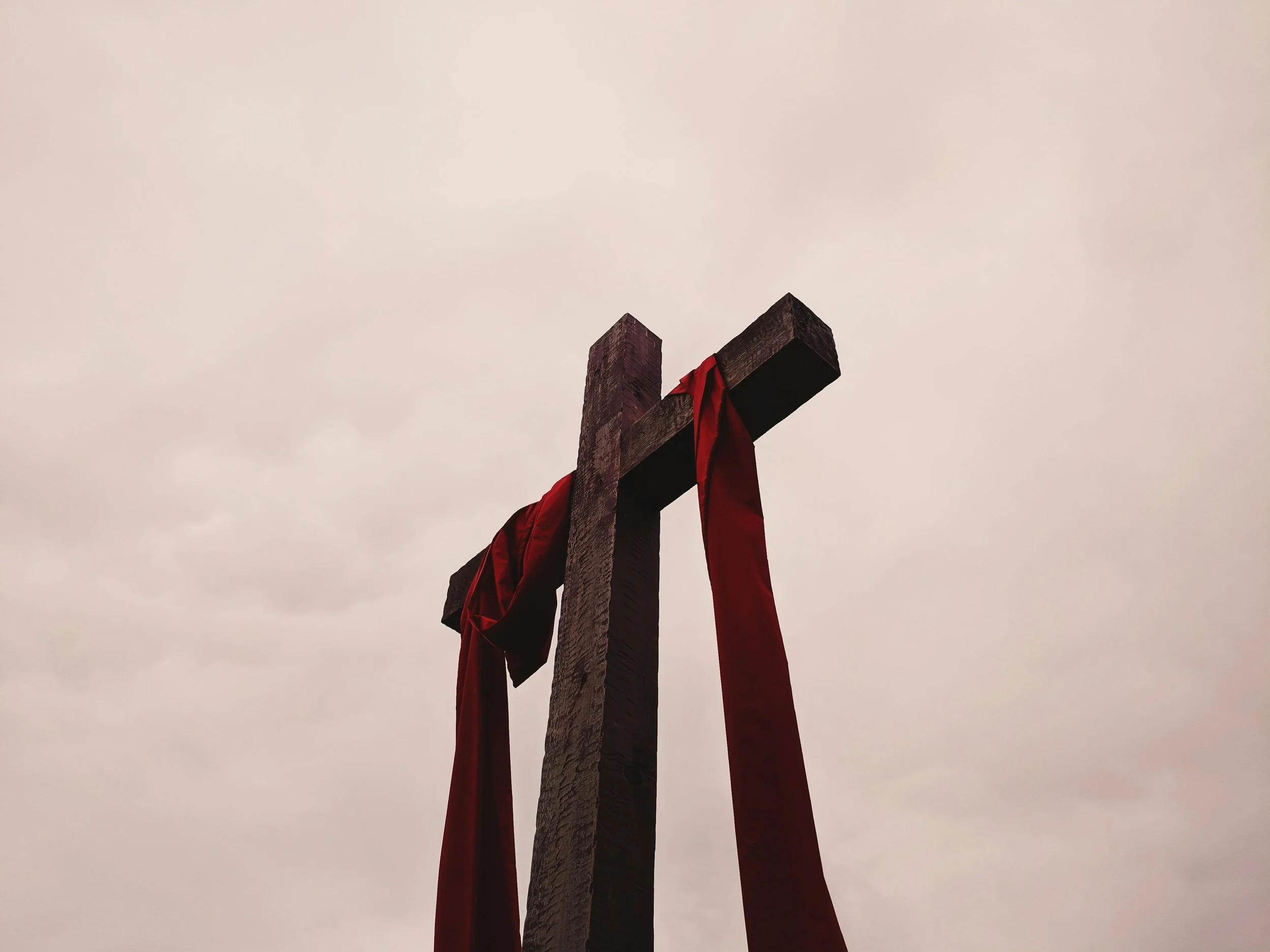
Photo by Alicia Quan on Unsplash
Recently, while traveling, I passed a billboard that said, “Pick Jesus or the Easter Bunny. Not both.”
I felt my stomach tense for a moment. Not because the message surprised me, but because of what it represents. It reflects the pressure many people grew up with, the expectation to choose the right path, the belief that joy or playfulness somehow competes with spirituality. It reminded me how often people were taught that there is only one acceptable way to exist, celebrate, or belong.
For many who carry religious trauma, messages like this are not just clever slogans. They are reminders of childhood sermons, conversations, and rules that shaped their sense of self. They bring back memories of being told that curiosity is dangerous, that questioning is sinful, or that their worth depends on choosing correctly at every turn.
If that kind of message stirs something in you, you are not alone. Your body may be remembering the burden of feeling like your identity or joy was constantly being evaluated. Your heart may be remembering what it felt like to lose parts of yourself to fit into a mold that never truly held you. And as Easter approaches, these feelings can become more present, even if your life looks very different now.
What Religious Trauma Looks and Feels Like
Religious trauma does not typically come from faith itself. It comes from environments where fear, shame, and conditional belonging were used as tools of control. It forms when spirituality becomes entangled with punishment or when love is offered only if you follow specific rules.
People who carry religious trauma often describe:
fear of punishment or divine disappointment;
shame about identity or relationships;
guilt for asking questions;
anxiety around religious holidays;
difficulty trusting their own intuition;
a sense of being disconnected from their body;
loss or confusion around community and belonging.
Religious Trauma Can Also Impact People Who Still Practice Their Faith
It is important to acknowledge that religious trauma does not only affect those who have left organized religion. Many people who stay within their faith tradition also carry wounds from earlier experiences. They may still love their spiritual community while struggling with parts of their upbringing or with messages that harmed them.
Photo by Anuja Tilj on Unsplash
Some people remain in their faith because it offers community, structure, meaning, or comfort, yet they still feel triggered by certain teachings or holidays. They may feel torn between their spiritual identity and the parts of themselves that were shamed. They may also feel isolated, because it can be difficult to express religious trauma while still being part of the institution where it happened.
For these individuals, Easter can bring up complicated emotions. They might feel genuine connection to the season while also feeling echoes of fear or guilt. They might want to participate but find themselves tense, exhausted, or overly vigilant. They might feel a deep longing to experience their faith in a healthier way while still healing the parts of themselves that were taught they were never quite enough.
You do not have to leave a religion to name the ways it hurt you. Your faith and your healing can coexist. You are allowed to take up space in the spiritual communities that matter to you, and you are allowed to attend to the wounds that those same communities may have left behind.
Why Easter Can Reopen Old Wounds
Even if you no longer believe the theology you were raised with, familiar images, rituals, and expectations can stir up feelings you did not expect. Easter can bring up memories of sermons that frightened you, conversations that made you feel small, or rules that limited your sense of self. You might also feel grief for the community you left, or sadness that old forms of comfort and belonging no longer feel accessible.
It is normal to have conflicting feelings. You can feel relief and grief at the same time. You can feel connected to parts of your faith while acknowledging the ways it hurt you. Healing often lives in this tension.
If Easter Feels Difficult This Year
There are a few gentle ways to care for yourself during this season.
Give yourself permission to choose what you need.
You do not have to attend services or gatherings that feel overwhelming or unsafe. Your wellbeing matters more than tradition.
Create rituals that feel nourishing.
If renewal is the theme of the season, let yourself define what renewal means for you. A peaceful walk, a quiet morning, cooking something comforting, or spending time with chosen family can all be powerful rituals.
Honor your own story.
Your experience is real and your feelings are valid. Even if others do not understand, you can offer compassion to yourself.
Reach out if you need support.
Religious trauma is complex and layered. Therapy can help you untangle the confusing parts, explore your beliefs, rebuild trust in yourself, and create boundaries that protect your emotional wellbeing.
A Different Kind of Resurrection
Easter often represents rebirth. For many healing from religious trauma, rebirth is not about doctrine. It is about the slow process of returning to yourself.
Rebirth might look like letting yourself rest without guilt. It might sound like saying no to a gathering that used to feel obligatory. It might feel like allowing yourself to be loved without conditions. It might show up as a quiet moment of clarity where you realize you no longer need to shrink to belong.
Your healing does not need to be dramatic or public. It can be gentle, quiet, and deeply personal.
You Are Not Alone
If Easter feels heavy this year, there is nothing wrong with you. This season brings up more than most people realize, and your reactions make sense. Whether you have left your faith community or are still a part of one, your experience matters.
If you need support, the team at Valid Love is here to walk with you through the process of healing religious trauma and reconnecting with your authentic self. You deserve a life where love is not conditional and where your joy is not something you have to earn.
Whenever you are ready, we are here.