
The Moral of the Story: A Blog About OCD
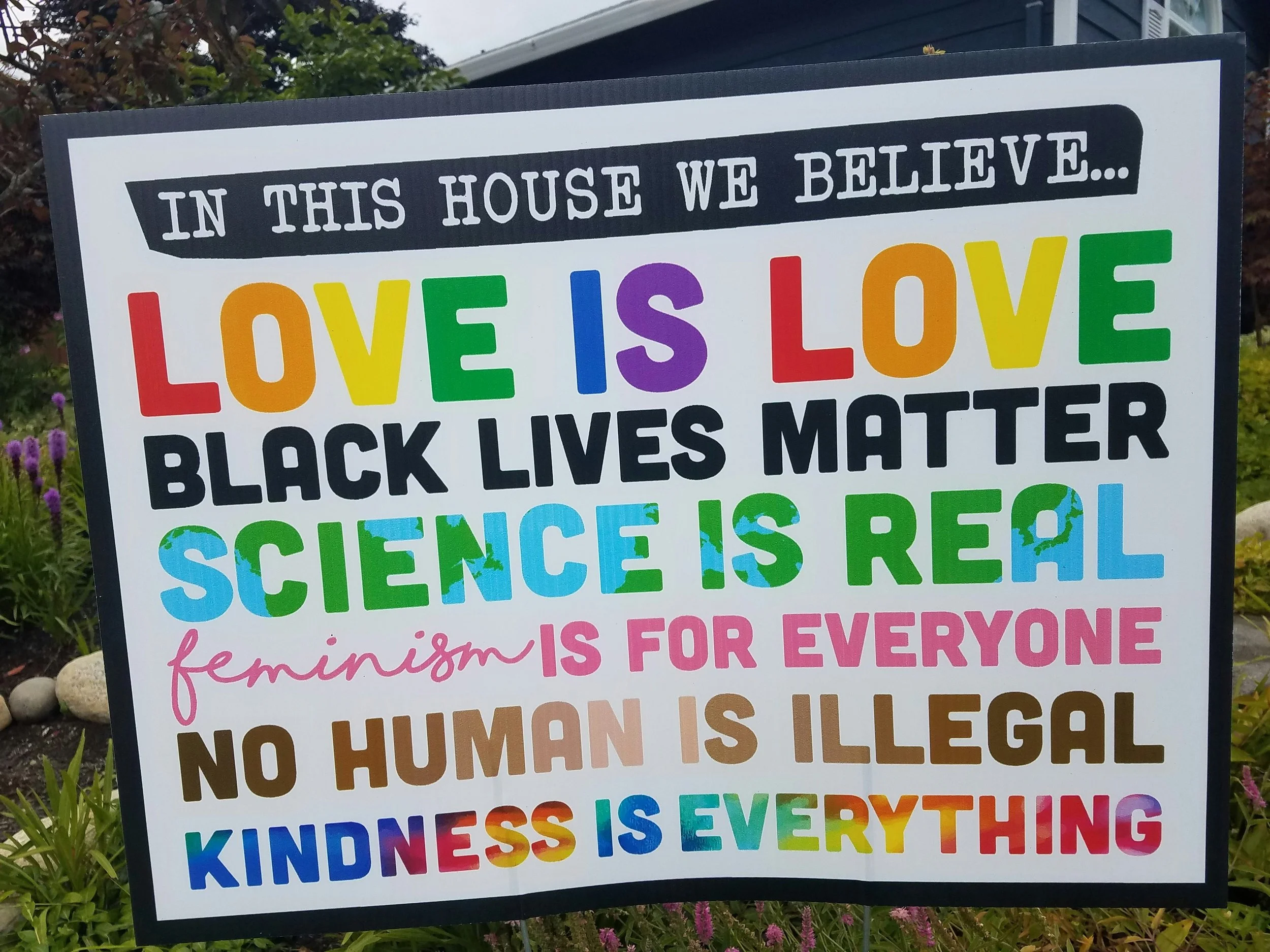
Photo by Breanna Louise on Unsplash
Morality is one of those things we’re all taught to consider as we grow up. Be good. Do the right thing. Treat people well. But for folks who live with Morality OCD (also called “moral scrupulosity”), that normal human desire to be a decent person can turn into a relentless internal surveillance system. Instead of guiding someone toward their values, it traps them in fear, self-criticism, and doubt about whether they’re “good enough” at all.
If this is you, or if you’ve ever wondered why your brain seems to run every choice, impulse, memory, or imagined scenario through a moral metal detector, pull up a chair. Let’s talk about what Morality OCD actually feels like and what healing can really look like.
What Morality OCD Is (and Isn’t)
Morality OCD isn’t about actually being unethical. It’s not about having some secret desire to harm people. It’s not even about making bad choices. Instead, it’s about fearing that you could be bad, immoral, or irresponsible in some catastrophic way. It’s a subtype of OCD where intrusive thoughts latch onto morality, ethics, or being a “good person,” and they spin out into compulsions meant to relieve the crushing sense of guilt or fear.
Think spirals like:
“Did I say something offensive without realizing it?”
“What if that half memory means I did something terrible?”
“What if I’m secretly a bad partner, friend, therapist, parent, or human?”
“Should I confess this thought even though it wasn’t an action?”
“What if thinking something is the same as doing it?”
If you’re nodding along, you’re not alone. So many clients come to therapy convinced their suffering is proof of their guilt. But the truth is that anxiety doesn’t show up where you’re careless…It shows up where you care the most. Morality OCD lands hardest on people who value integrity, empathy, and accountability.
When “Being a Good Person” Stops Feeling Good
Morality OCD often disguises itself as being hyper-responsible or thoughtful. It can look like you’re just trying to be mindful about your impact. But underneath, there’s usually a loop of fear and an impossibly high expectation that you must be perfect to be worthy or safe.
Many people with this subtype spend hours mentally reviewing interactions, seeking reassurance from partners or friends, apologizing for things that didn’t actually harm anyone, or avoiding situations where they might accidentally mess up.
It’s exhausting. And it’s lonely, because shame convinces you to keep your fears quiet.
The Sneaky Compulsions Nobody Talks About
Photo by Dean Andre Cantanero on Unsplash
Morality OCD compulsions aren’t always obvious. Sometimes they look like:
Over-apologizing
Re-reading texts or emails multiple times
Confessing half remembered “wrongs”
Mentally replaying a moment over and over
Avoiding decisions, responsibilities, or conversations
Asking for reassurance that you’re “a good person”
These compulsions bring momentary relief… until the next intrusive thought arrives with the next round of panic.
Healing Doesn’t Mean Becoming Less Moral
This is one of the biggest fears I hear:
“If I stop checking myself constantly, won’t I become irresponsible or hurt someone?”
No. Healing Morality OCD isn’t about abandoning your morals—it’s about letting your values guide you instead of anxiety. It’s about recognizing that having an intrusive thought doesn’t make you a bad person. It’s about giving yourself permission to be human instead of perfect.
Therapy, especially ERP (Exposure and Response Prevention) and ACT (Acceptance and Commitment Therapy), is incredibly effective here. We work on allowing uncertainty, sitting with discomfort, and staying aligned with your actual values instead of your fear. The goal isn’t to quiet your conscience; it’s to quiet the self-doubt masquerading as conscience.
Learning to Trust Yourself Again
One of the most painful parts of Morality OCD is the loss of self-trust. You might feel like you can’t trust your memory, your intentions, your character, or your own internal compass. Recovery asks you to rebuild trust gently, one moment at a time.
It might look like:
Letting a text go without rereading it five times
Not confessing a thought that wasn’t an action
Allowing yourself to be uncertain without spiraling
Choosing values-based behavior instead of fear-based behavior
Every time you resist a compulsion, you’re teaching your brain that anxiety is uncomfortable, but not dangerous. Every time you act from your genuine values instead of fear, you deepen that trust.
The Moral of Your Story
You deserve a life where your values feel supportive, not punishing. A life where you don’t have to interrogate yourself constantly just to feel like you’re allowed to exist. Morality OCD is painful, yes, but it’s also treatable, and you don’t have to figure it out alone.
If you’re struggling with this, therapy can help you create a relationship with yourself that isn’t built on suspicion. At Valid Love, we work gently, collaboratively, and without shame. You’re not “too much,” and you’re not broken. You’re a deeply caring person whose brain grabbed onto the wrong alarm system, and together, we can quiet it.
Your morality isn’t the problem.
Your OCD is.
And there’s a path forward.
If you want support navigating OCD, anxiety, or intrusive thoughts, reach out anytime. You deserve some peace.