
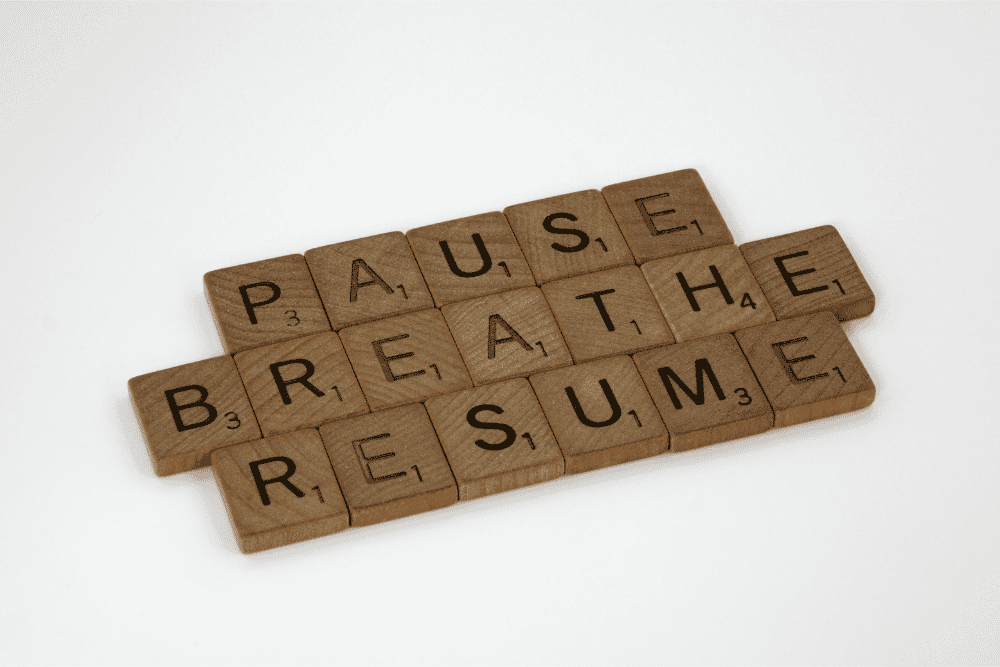
Photo by Brett Jordan on Unsplash
What If Getting Dysregulated Is Part of Being Regulated?
You've probably heard a lot about nervous system regulation lately. Maybe you've learned breathing techniques, tried grounding exercises, or started paying closer attention to what happens in your body when you're stressed.
But here's something that can get lost in all the conversation about regulation: You're not supposed to be regulated all the time. In fact, trying to stay calm, grounded, and emotionally balanced in every situation can become another unrealistic expectation. So what does healthy regulation actually look like? And what if getting dysregulated is a normal part of the process?
What Does Regulation Actually Mean?
Your nervous system is constantly responding to what's happening around you. Sometimes you feel calm and connected. Other times, you feel anxious, frustrated, overwhelmed, or even shut down. These shifts are a normal part of being human. Being regulated doesn't mean you're always relaxed or that difficult emotions don't affect you. It means having the capacity to experience different emotional states and move through them.
You're Not Supposed to Be Regulated All the Time
One common misunderstanding about nervous system regulation is that the goal is to avoid getting dysregulated altogether.

Photo by Marcel Strauß on Unsplash
You might find yourself thinking:
Why am I getting so anxious about this?
Shouldn't I know how to manage my emotions by now?
Why can't I just stay calm when things get stressful?
But think about it. If you're preparing for a difficult conversation with your partner, it's understandable to feel anxious. If someone crosses an important boundary, you might feel angry. Strong emotions can also be signals that something matters to you. Anger might point to a boundary that feels violated, anxiety might reflect uncertainty about something important, and sadness might reflect a meaningful loss.
These reactions don't automatically mean something is wrong with your nervous system. Sometimes feeling activated is an appropriate response
The goal isn't to eliminate difficult emotions. It's to build the capacity to move through them.
This is where the concept of pendulation becomes helpful.
Pendulation describes the movement between states of activation and states of calm, safety, or settling. Think of a pendulum swinging back and forth. For example, imagine you're having a difficult conversation with someone you care about. You might notice your heart racing, your thoughts speeding up, or tension building in your body. You feel anxious, frustrated, or overwhelmed. After the conversation, you take a walk, talk to a friend, or give yourself some time alone. Gradually, you begin to feel more settled. You moved through an experience of activation and found your way toward a different state. That's the idea behind pendulation.
Healthy regulation isn't about never getting activated. It's about developing the flexibility to move between different states.
What Does Healthy Regulation Actually Look Like?
Sometimes we imagine an emotionally regulated person as someone who never loses their temper, rarely gets overwhelmed, and always knows exactly how to respond. But for most people, that's not realistic and puts a lot of pressure on being inauthentic.
Healthy regulation might look like:
Getting frustrated with your partner but being able to come back to the conversation later.
Feeling anxious before a presentation but still showing up and getting through it.
Recognizing you're overwhelmed and giving yourself permission to take a break.
Having an emotional reaction and being able to reflect, apologize, or repair afterward.
Having a difficult day without expecting yourself to feel better immediately.
Sometimes regulation means calming yourself down. Other times, it means recognizing that you need rest, connection, movement, or support. And sometimes it means allowing yourself to feel what you're feeling without immediately trying to fix it.
What Does Getting Better Actually Look Like If I Still Get Overwhelmed?
Maybe you still get anxious before difficult conversations, but you're able to recognize what's happening and move through it. Maybe you still get overwhelmed by a busy week, but you recognize when you need to slow down instead of pushing yourself until you burn out. Maybe you still have big emotional reactions, but you're able to reconnect with yourself and others afterward.
That's progress!
Therapy can help you better understand your patterns, recognize what activates your nervous system, and explore what helps you move toward a sense of safety and connection.
You might learn to recognize when you need a break, identify what your emotions are telling you, or understand how past experiences influence your current reactions. We might incorporate mindfulness, somatic approaches, grounding techniques, or emotional processing.
The goal isn't to teach you how to never feel overwhelmed. It's to help you build the capacity to navigate those moments without feeling stuck in them.
You're Allowed to Have Difficult Emotions
You can be emotionally healthy and still have really hard days.
You can be making progress in therapy and still get triggered. You can understand your emotional patterns and still struggle with a difficult conversation. You can have great coping skills and still need a good cry, a quiet afternoon, or support from someone you trust. That's okay!
Over time, you can build more confidence in your ability to handle difficult emotions, even when you can't make them go away.
At Valid Love Therapy Collective, our therapists offer individualized support to help you better understand your nervous system, explore your emotional patterns, and develop a healthier relationship with your emotions. You don't have to stop having big feelings to make progress. And you don't have to navigate those feelings alone.
Looking for more information on support with Valid Love? Learn more about our staff team.