
Boundaries: What They Are, What They Are Not, and How They Change After Abusive Relationships
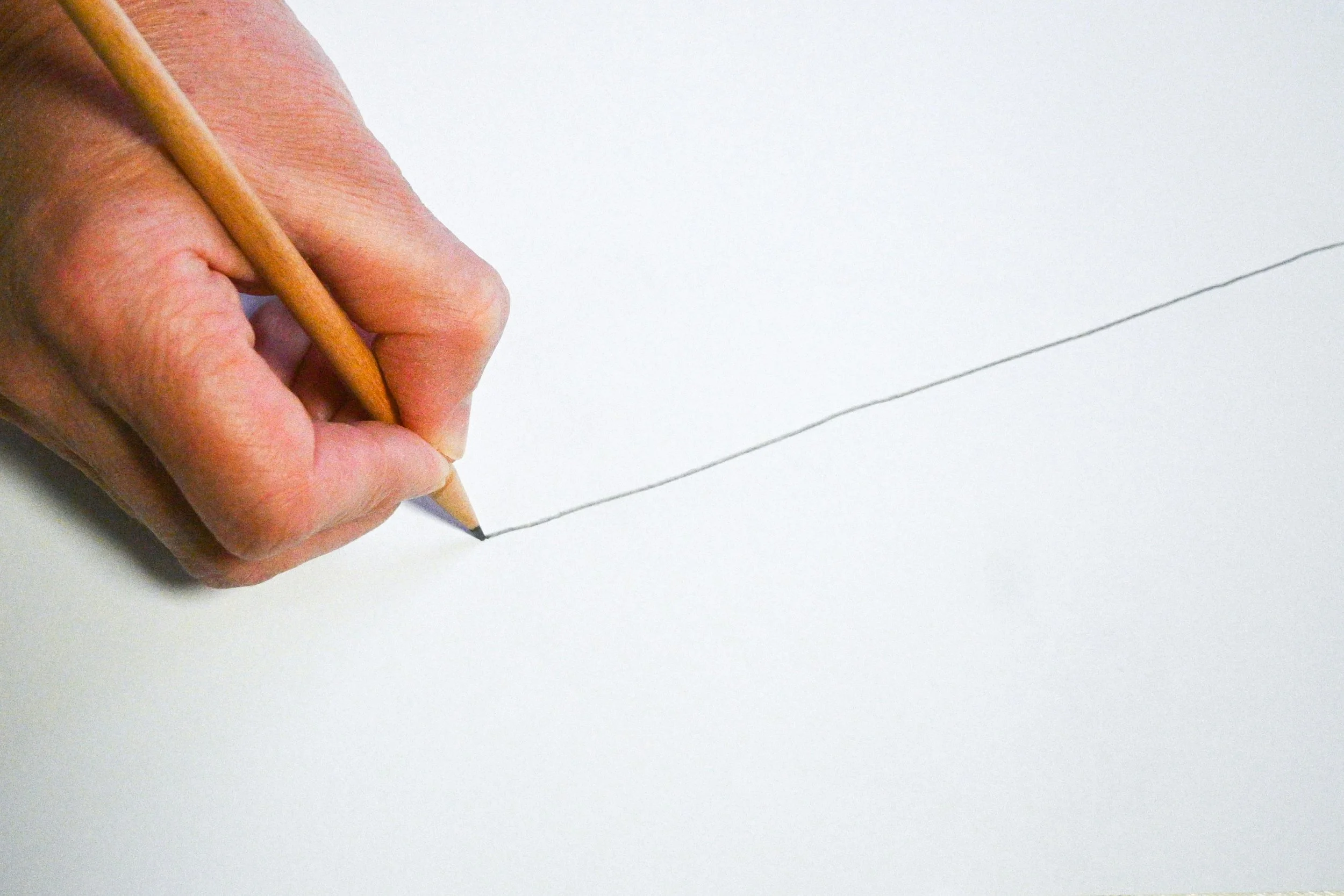
Photo by Aleš Čerin on Unsplash
By Christina Franklin, LPC, LCMHC, NPP
“Just set better boundaries.”
Boundaries are a frequent topic in conversations about mental health, relationships, and healing. They are often referenced as a solution and something people should simply “have” or “set.” This is usually offered without much attention to what boundaries actually are or how complex they can be to develop. For people who have lived through abusive relationships, that advice can feel not just unhelpful, but deeply invalidating.
For individuals who have experienced abusive relationships, conversations about boundaries can feel particularly loaded. Advice that sounds straightforward on the surface may overlook the reality that boundaries were not just unclear or underdeveloped, but repeatedly violated, dismissed, or punished.
This post offers a more nuanced and compassionate look at boundaries: what they are, what they are not, and how they often show up in the aftermath of abuse. Whether you are navigating your own healing, supporting someone else, or working clinically or educationally in this area, the goal is to move beyond oversimplified narratives and toward a more accurate understanding of what boundary work really involves.
What Are Boundaries?
At their core, boundaries are the limits and expectations we set to protect our physical, emotional, psychological, relational, and spiritual well-being. They define where one person ends and another begins. Boundaries are how we communicate our needs, values, capacity, and consent—both to others and to ourselves.
Effective boundaries answer questions like:
What am I comfortable with?
What is my responsibility and what is not?
How do I protect my time, energy, body, emotions, and values?
What behavior will I engage with and what behavior will I step away from?
Boundaries are not walls meant to isolate us. They are more like doors with locks: we get to choose who enters, when, and under what conditions.
Boundaries exist whether or not we say them out loud. You can have a boundary you never verbalize, but if it’s repeatedly crossed, the emotional and psychological impact is still real. That’s often where distress begins.
Boundaries Are an Inside Job
One of the most misunderstood aspects of boundaries is that they are not about controlling other people’s behavior. Boundaries are about what you will do to take care of yourself when a limit is reached.
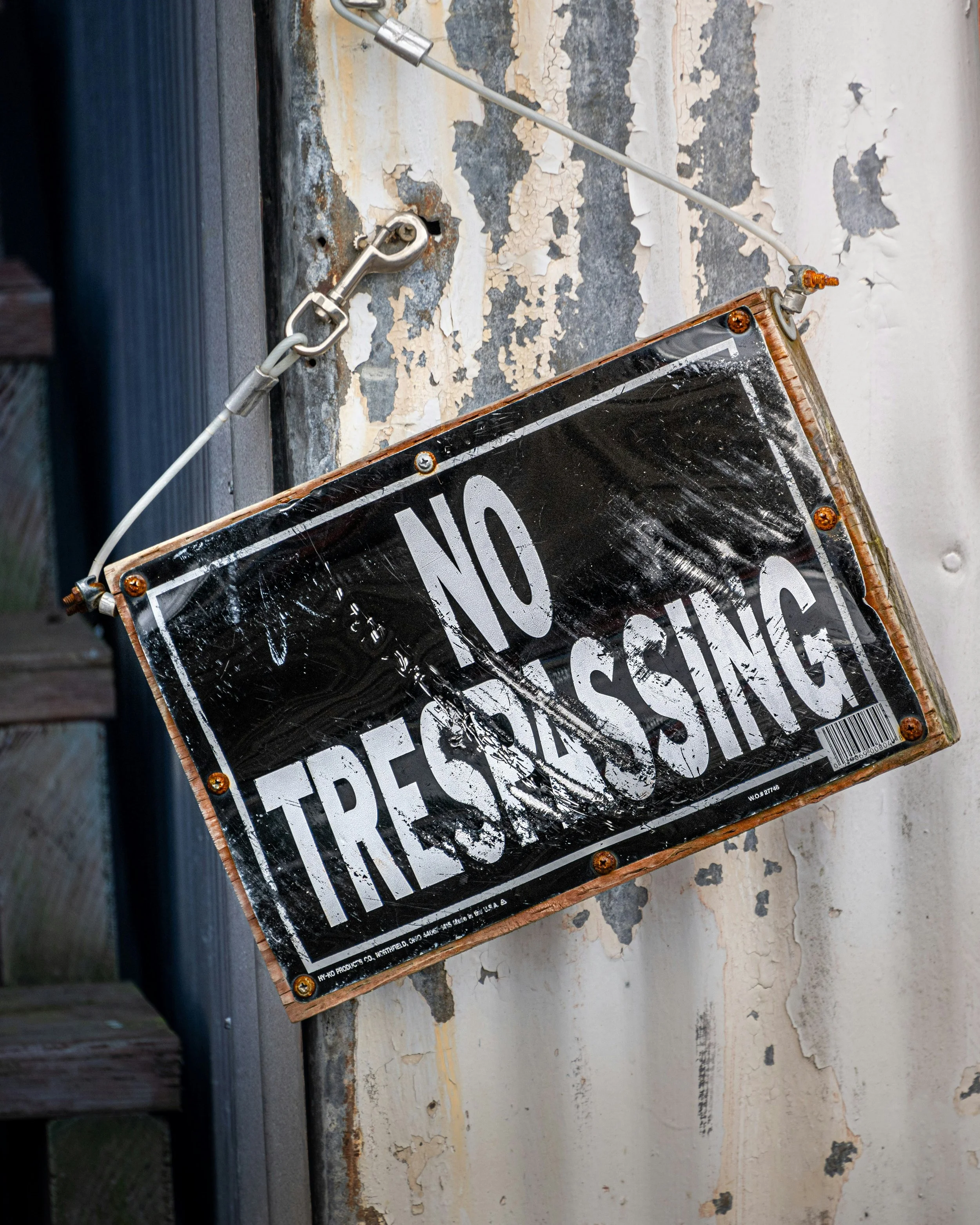
Photo by Joseph Corl on Unsplash
For example:
“You can’t talk to me that way” is a request.
“If you speak to me that way, I will leave the conversation” is a boundary.
Boundaries focus on your response, not someone else’s compliance. This distinction is especially important for survivors of abuse, many of whom were punished for trying to assert needs or limits in the past.
What Boundaries Are Not
Because the word “boundaries” is used so frequently, especially online, it’s easy for it to lose meaning or be misused. Let’s clear up some common myths.
Boundaries Are Not Ultimatums
Ultimatums are often delivered as threats meant to coerce change. Boundaries, by contrast, are rooted in self-protection and clarity. A boundary may result in someone choosing differently, but that’s not its primary purpose.
Boundaries Are Not Punishment
Ending a conversation, taking space, or leaving a relationship is not punishment. It is information. It communicates, “This behavior is not safe or sustainable for me.”
Boundaries Are Not Selfish
This belief is especially common among people socialized to prioritize others’ needs, emotions, or comfort, particularly women, caregivers, and survivors of relational trauma. Boundaries do not harm relationships; they reveal which relationships are capable of being healthy.
Boundaries Are Not Emotional Shutdown
Some people confuse boundaries with avoidance, numbness, or emotional withdrawal. Boundaries still allow for connection, vulnerability, and care, just not at the cost of your safety or well-being.
Boundaries Are Not One-Size-Fits-All
You may have different boundaries with a partner than with a coworker, family member, or friend. You may also have different boundaries with the same person depending on context, history, and trust.
Abuse and the Erosion of Boundaries
In abusive relationships (whether emotional, psychological, physical, sexual, or financial) boundaries are systematically undermined.
Abuse often involves:
Repeated boundary violations
Punishment for saying no
Gaslighting that makes someone doubt their right to limits
Conditional affection based on compliance
Manipulation framed as “love,” “concern,” or “help”
Over time, this creates a powerful internal message:
“My needs don’t matter.”
“My discomfort is unreasonable.”
“Setting limits is dangerous.”
Many survivors learn that boundaries lead to:
Rage
Withdrawal of affection
Blame
Escalation
Silent treatment
Increased control
So the nervous system adapts. Hypervigilance replaces self-trust. People-pleasing becomes a survival strategy. Silence feels safer than assertion.
This is not a weakness. It is adaptation.
What Boundaries Look Like After Abusive Relationships
After abuse, boundaries rarely emerge fully formed and confident. Instead, they often appear in messy, inconsistent, or extreme ways. All of these deserve compassion.
1. No Boundaries at All
Some survivors struggle to identify their needs, preferences, or limits. They may feel disconnected from their bodies, emotions, or intuition. Saying “I don’t know” becomes common…not because they don’t care, but because they were never allowed to know.
This can look like:
Chronic over-giving
Difficulty saying no
Minimizing harm
Staying too long in unsafe dynamics
2. Rigid or All-or-Nothing Boundaries
Other survivors swing in the opposite direction. After years of being violated, they may adopt very strict, inflexible boundaries as a form of self-protection.
This can look like:
Cutting people off quickly
Zero tolerance without repair
Difficulty allowing nuance or conversation
Fear that any compromise equals danger
These boundaries often soften over time as safety and trust are rebuilt.
3. Boundaries Without Follow-Through
Many survivors can articulate boundaries—but struggle to enforce them. The words are there, but the action feels terrifying. This is often tied to trauma responses like fawning or freezing.
Follow-through is not a character flaw; it’s a nervous system issue.
4. Guilt, Shame, and Anxiety After Setting Boundaries
Even healthy boundaries can trigger intense emotional fallout after abuse. Survivors may feel:
Cruel
Unreasonable
Afraid of retaliation
Responsible for others’ feelings
This emotional hangover does not mean the boundary was wrong—it means it was unfamiliar.
5. Hyper-Explanation and Over-Justifying
Survivors often feel the need to prove that their boundary is “reasonable enough” to be allowed. This can lead to excessive explaining, apologizing, or negotiating—often inviting more pushback.
Relearning Boundaries as Part of Healing
Healing after abusive relationships involves rebuilding a relationship with yourself first.
This includes:
Learning to notice discomfort
Trusting your internal cues
Allowing yourself to change your mind
Accepting that not everyone will like your boundaries
Recognizing that discomfort does not equal danger
Boundaries become easier when safety increases—both internally and externally.
Some practical steps include:
Starting with low-stakes boundaries
Practicing boundaries with safe people
Working with a therapist trained in trauma and relational abuse
Paying attention to your body’s responses
Letting boundaries be imperfect and evolving
Boundaries as an Act of Reclamation
For survivors of abusive relationships, boundaries are not just a skill—they are an act of reclamation.
They say:
“I get to decide.”
“My needs are real.”
“I am allowed to protect myself.”
“Connection should not require self-erasure.”
Healthy boundaries do not guarantee that people will stay. But they do guarantee that you stay connected to yourself.
And that is where real healing begins.
Gentle Reflection Questions
If you choose to reflect on boundaries in your own life, consider doing so with curiosity rather than judgment.
When I feel discomfort in relationships, how do I usually respond?
What messages did I learn about having needs or saying no?
Are there places in my life where I tend to minimize my own limits?
What boundaries currently feel easiest for me to maintain?
Which boundaries feel hardest, and what emotions come up around them?
How does my body let me know when something doesn’t feel right?
What might it look like to practice one small boundary with more consistency?
Who in my life feels safest to practice boundaries with?
How do I tend to talk to myself after I set a boundary?
What would it mean to approach boundary-setting with compassion instead of perfection?