
Beyond “Problematic”: When Your Favorite Artist Causes Genuine Harm
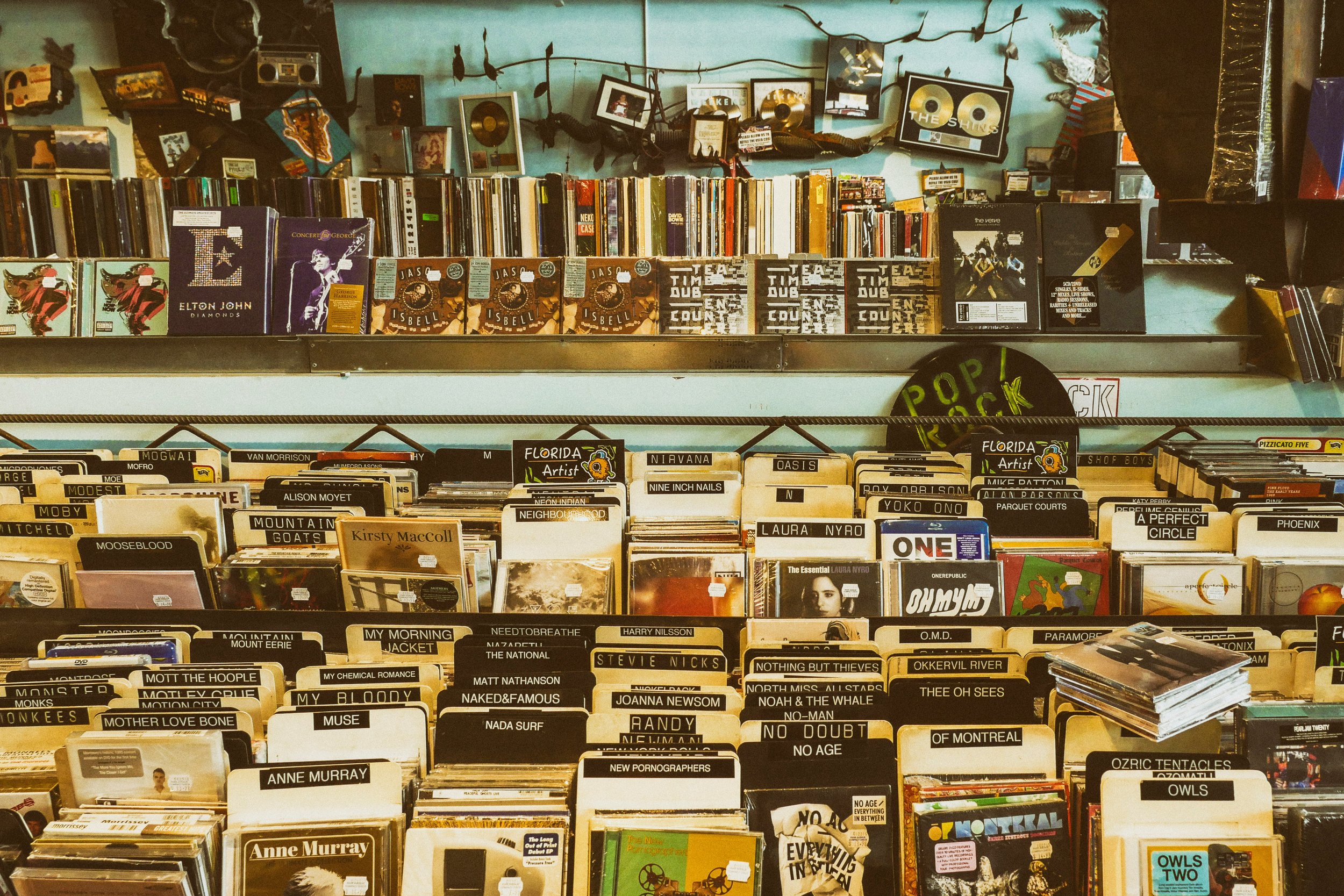
Photo by Mick Haupt on Unsplash
By Oliver Sweet, Digital Contractor
I’m getting ready for work one morning and I have an algorithmically derived playlist on in the background. It’s playing my favorite genre; a mix of songs I love and new ones it thinks I’ll enjoy. When I hear the opening chords of a song I adored in high school, I get first that familiar rush of nostalgia and care and then the crashing horror as I’m reminded of the trial, the verdict - an artist I once loved having done something horrific.
As more and more celebrities and powerful people get exposed for doing horrible things ranging from victimizing fans to championing harmful political causes, the feelings of grief and guilt that come with having once–or still–loving artists, stories, and properties can surge.
You’re not alone in these feelings, and it’s okay to be upset when these stories come out. Let’s dig into what’s going on, why these revelations can be so painful, and things you can do to support yourself in heavy times.
Parasocial Relationships
Photo by ANNIE HATUANH on Unsplash
Fandom has existed as long as talented people have had platforms to share those talents. As celebrities have become more and more accessible through social media, the term “parasocial relationship” was created to define the dynamic between public figures and their fans. Parasocial relationships are inherently one-sided, wherein one party invests emotional energy, time, interest, and often money into the relationship for access to an “illusion of intimacy.”
For more traditional celebrities creating music, film, books, and more, engaging in and consuming their art creates that feeling of intimacy. Especially when we are at vulnerable times in our life like our adolescence, the media we consume during those times become part of our identities and often influence our tastes for the rest of our lives. This connection fosters that parasocial relationship with the creator of the media– “that song saved my life.”
With celebrities and influencers creating new media, their brand and content is often built specifically around their relatability to build those parasocial relationships. Platforms like Instagram, Tiktok, Patreon and X give fans unprecedented access to their favorite celebrities and influencers too, making that parasocial bond feel stronger and more intimate.
Parasocial relationships are generally harmless, but that intimacy is also rife for exploitation.
When You Can’t Separate the Art From the Artist
Maybe you hear about it from a breaking news update. Maybe you hear about it from a friend. Maybe you were doomscrolling and suddenly, your whole algorithm is flooding with discussion and discourse about what this person did. With the musician I mentioned earlier (who is, to be clear, one of many, many once beloved artists I’ve had to mourn), the national news followed everything from the initial accusations to the final verdict (Guilty of all charges).
Amidst the initial discovery, the following discourse, and everything that comes afterwards, it’s normal to feel yourself caught up in a web of emotions: guilt from having supported the accused in the first place, and the additional worry that the support you have given them enabled the abuse; grief for the parasocial relationship you once had and the version of yourself who once relied on this media as a piece of comfort; anger from feeling betrayed and lied to; and often, shame from caring “too much” about celebrity drama, especially if you have friends or family members dismissing your concerns or invalidating your feelings. You may also feel confusion and frustration by trying to hold conflicting emotions at once.
All of these responses are valid, and while some may suggest you should just “separate the art from the artist”, it can be impossible to justify that to yourself when you’ve seen the level of hurt or harm that the artist has perpetuated or continues to perpetuate with the proceeds of that art.
Remember, You Have Been Hurt Too
Abusers will regularly build up a community of support and a persona of being a Good Person to help insulate themselves against accusations and give them access to more victims. When those abusers are celebrities, that community of support becomes the industry and their fandom as a whole. As part of that fandom, you did not do anything wrong–you have also been manipulated by the abuser’s tactics.
When that abuse becomes structural–when artists use their power and their wealth to influence policy and advocate for harmful politicians–that hurt becomes more immediate and personal. You are allowed to speak up about that hurt and talk about the impact that artist’s voice is having on your life and the life of people you love.
It’s also important to remember these hurts rarely exist in a vacuum. Often, the abuse or harm perpetrated by an artist you once loved can echo abuse or harm you’ve experienced in your personal relationships, meaning your conflicted and hurt feelings towards the artist are compacted by trauma rising to the surface. Giving these hurts the space they deserve is essential to helping you move on.
Next Steps
Those complicated, conflicting feelings are valid and you are worth looking after yourself. If one of your favorites has been exposed, here are some simple steps that you can take to make this difficult time a little bit easier:
It’s okay to not follow every update. Taking breaks from social media, asking loved ones not to bring up the story with you, and using keyword blocking features on your preferred platforms can be useful for protecting your peace and keeping yourself from being caught off guard.
If you own physical versions of the art such as CDs, books, vinyl, or DVDs, getting rid of them can often help with some of that guilt. You may also find making art out of these pieces can help with processing your feelings, like these art pieces made from a certain popular children’s book (content warning: anti-trans violence).
For digital media, you can use built in options to block the artists or music so you don’t have to hear it.
Get involved with local activism and advocacy groups to help yourself feel more empowered against harmful forces, such as mutual aid organizations.
Consider connecting with a therapist for support, especially when you find yourself dealing with resurfacing trauma and complicated emotions.
Remember, these stories are not just “celebrity drama.” They are real people causing real harm to others, and it is normal and okay to be upset or feel hurt by these situations. If you feel like talking to someone, remember that Valid Love is here to help. There is no such thing as a “bad” reason to go to therapy, and you deserve to be heard.
Oliver Sweet (he/they) is a professional communicator, storyteller, and statistician with a background in psychology clinical management and intake. They are currently serving as Valid Love Therapy Collective’s Digital Contractor, providing web and social media support and content creation.